Showing posts with label heart. Show all posts

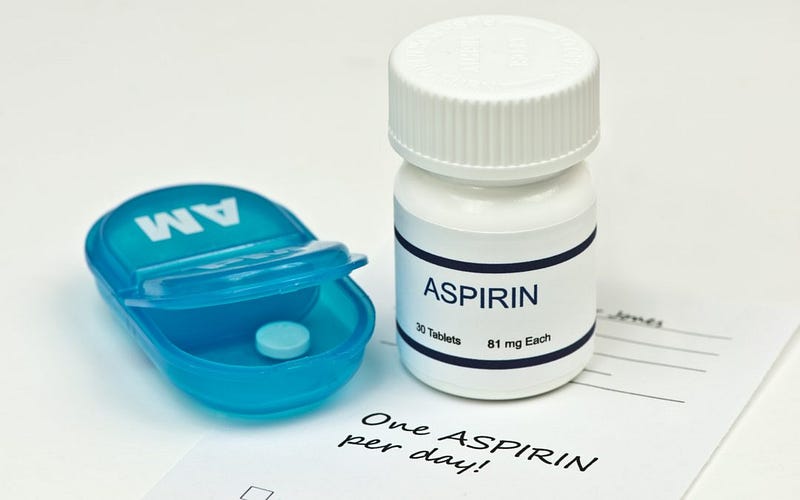
Is an Aspirin a Day Good or Bad for Your Heart?

Photo Credit: https://stock.adobe.com/images/daily-aspirin/86009033 © Sherry Young


Have you ever suffered a stroke or a heart attack? No doubt you may have taken some low-dose aspirin as a remedy. But is daily aspirin use a healthy choice?

In this article, we will discuss the shocking side effects that a daily dose of aspirin has on your heart health.

Shaking up the Salt and High Blood Pressure Myth


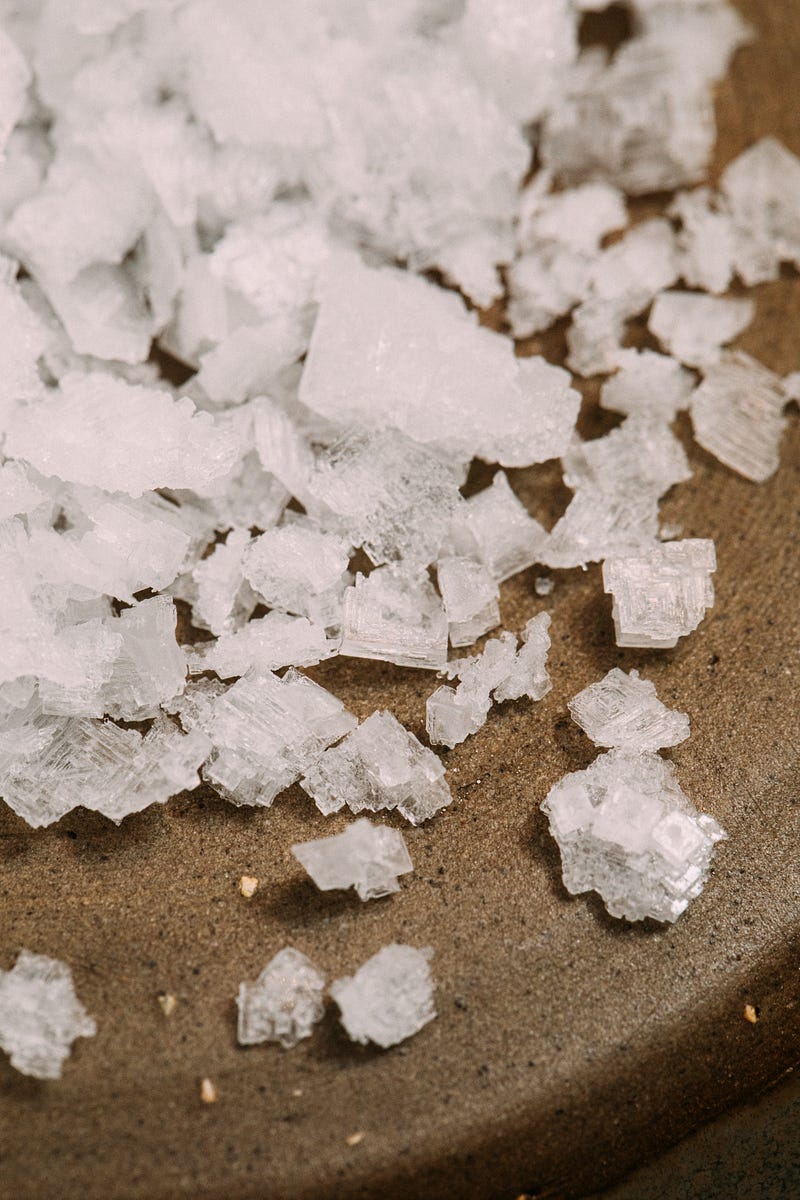
salt sodium chloride
Photo by Charles Deluvio on Unsplash


We’ve received several warnings about the dangers of salt to our health.

Many health organizations have claimed that high salt intake causes several health conditions, like heart disease and high blood pressure. But then, these claims do not have strong scientific backing despite decades of research (1).

Also, many nutritional studies have shown that not eating enough salt can cause harm to your health.

This article will differentiate the myths and the facts about salt (sodium) and high blood pressure.


What is salt?

Another name for salt is sodium chloride. The salt that we use in cooking is made of 40% sodium and 60 % chloride.

Salt is a major dietary source of sodium. This explains why the words “sodium” and “salt” are used interchangeably.

There are also trace amounts of potassium, calcium, zinc, and iron in some varieties of salt. Table salt contains iodine as well (2, 3).

Salt contains essential minerals that serve as electrolytes. These electrolytes regulate fluid balance, muscle function, and nerve transmission.

Most foods contain salt, naturally. Salt is also added to foods as a flavoring agent.

It served as a preservative in the past. High amounts of salt can stop bacteria from growing in food.


Does sodium affect blood pressure?

Well, several health authorities have warned against excessive intake of sodium. We’ve been advised to take no more than 2,300mg of sodium daily, or preferably less (4, 5, 6).

That’s the equivalent of one teaspoon of salt (or 6 grams).

But the bad news is that over 90% of adults in the United States consume more than the recommended amount of salt (7).

Excess consumption of salt is believed to raise blood pressure, thus increasing the risk of stroke and heart disease. However, this may not be so true.

Yes, consuming less salt can lower blood pressure, mostly in people who have salt-sensitive hypertension (8).

The average reduction of salt is however very subtle for healthy individuals. According to a 2013 study, restricting salt intake in people with normal blood pressure caused only a 2.42 mmHg reduction in systolic blood pressure and a 1.00mmHg reduction in diastolic blood pressure (9).

That’s the same thing as going down from 130/75 mmHg to 128/74 mmHg. Is this worth the stress of eating a tasteless diet? I don’t think so.

Also, several review studies suggest that no evidence reducing your salt intake will reduce your risk of stroke, heart attacks, or death (10, 11).


A healthy diet is a key to lowering blood pressure

A healthy diet plays an important role in lowering blood pressure and keeping it at optimal levels. Studies have shown that adding greens and other healthy foods to your diet tones down your blood pressure (12, 13).

Fatty fish, berries, leafy greens, beans, seeds, lentils, carrots, and citrus fruits can help you achieve optimal blood pressure levels.

Leafy green vegetables contain lots of nitrates. Nitrates are known to help regulate blood pressure. Studies have shown that taking 1–2 servings of vegetables rich in nitrates daily can lower high blood pressure for at least 24 hours.

High blood pressure is about a potassium insufficiency — not necessarily a sodium excess.

Leafy greens that can help ease your blood pressure include:

  • Collard greens
  • Cabbage
  • Spinach
  • Mustard greens
  • Kale
  • Fennel
  • Swiss chard

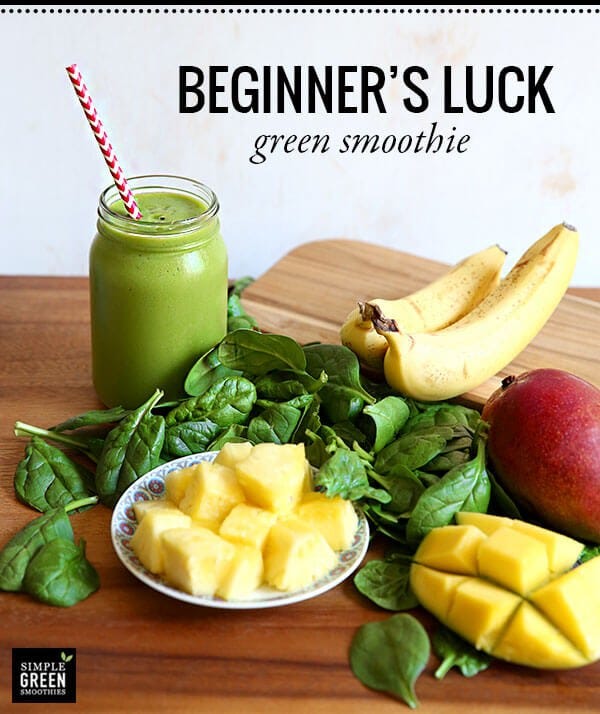
green smoothie receipe
Photo credit: https://www.100daysofrealfood.com/green-smoothie-recipe/


There’s no better way to eat your daily greens than stirring your spinach into stews and curries, sauteing your Swiss chard with some garlic (makes a great side dish), or baking some kale chips.

You can also blend them together and make a tasty green smoothie out of it like the one pictured above. What’s your favorite type of green smoothie?

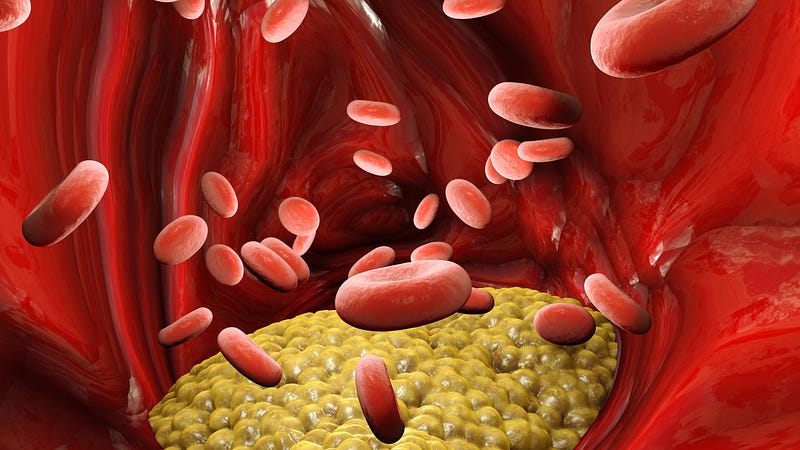
'Bad' LDL Cholesterol May Not be so Bad


Photo Credit: Delphotostock on Adobe Images
Photo Credit: Delphotostock on Adobe Images

It is no longer news that low-density lipoprotein (LDL) has been given a bad name. Yes, ever since it was tagged the “bad” cholesterol, LDL has been heavily demonized and accused of contributing to almost every health disorder.

Cardiologists and medical doctors have also campaigned vigorously against LDL, insisting that humans are better off with a low level of this cholesterol in their blood.

However, several studies have challenged this “cholesterol hypothesis” and found that there has been a great exaggeration of statin therapy benefits, and that ‘LDL’ cholesterol is not your enemy per se.


What are the different types of cholesterol?

You see, there are two main types of cholesterol: the good and the bad.

The ‘good’ cholesterol is known as high-density lipoprotein cholesterol, while the ‘bad’ cholesterol is known as low-density lipoprotein cholesterol (HDL and LDL respectively).

It has been hypothesized that LDL cholesterol plays a major role in numerous health conditions, including cardiovascular conditions.

Photo Credit: Naeblys on Adobe Images
Photo Credit: Naeblys on Adobe Images

However, researchers believe that high LDL cholesterol doesn’t really cause much harm as insinuated.

Technically, bad cholesterol is thought to be atherogenic. This means that it promotes fatty plaque formation in the arteries. This explains why statins target LDL.

However, results from current research have found that targeting bad cholesterol may not be good medicine.


What does the research say?

A 2016 study published in the British Medical Journal found that LDL cholesterol may not be so bad after all. Going a step further, researchers have provided the rationale to re-evaluate guidelines for heart health.

The researchers were pulled from seven countries around the world. They evaluated data obtained from 19 studies on over 68,094 adults. The objective of the research was to determine the role of LDL cholesterol in the mortality of older adults.

Well, the cholesterol hypothesis suggests that there should be a direct relationship between LDL cholesterol and death in older adults. But the results from the BMJ study found otherwise.

According to the researchers, over 80% of the participants with high LDL cholesterol did not die due to high cholesterol levels.

Conversely, researchers discovered that there was a high death rate among people with low levels of LDL cholesterol, the major cause of death for both male and female American adults.

The findings from these studies have contradicted the cholesterol hypothesis. The researchers who have themselves published books criticizing this cholesterol hypothesis agree that there has been a great exaggeration of the benefits of statin treatment.


The origin of the cholesterol hypothesis

Experts who have challenged the acclaimed importance or benefits of LDL cholesterol say that we’ve made a lot of wrong measurements.

According to the researchers, cholesterol may not be a direct marker of heart disease. They also say that total cholesterol may not be an accurate metric.

According to the researchers, focusing on triglycerides might be the best way to monitor heart health.

In the 1960s, there was serious controversy over the primary cause of heart disease. One group focused on sugar as the culprit, while the other group insisted that dietary fat, especially saturated fat, was the primary cause.

John Yudkin championed the accusation against sugar, while Ancel Keys suggested that dietary fat was to blame. Yudkin was a British physiologist while Keys was an American scientist.

The battle continued until the 1970s, but then, three major discoveries relegated fat as the primary enemy of heart health.

The first discovery centered around familial hypercholesterolemia, a genetic condition characterized by a lack of LDL receptor in the liver, usually leading to teenage death from a heart attack.

The second discovery was that LDL cholesterol level was raised by dietary fat.

And the third argument was that there was a correlation between high LDL levels and heart disease.


Why Would Your Body Make LDL if It’s ‘Bad’?

The idea that fat was the problem, was welcome. Yudkin’s argument was completely forgotten, and the low-fat theory ruled, completely destroyed our diets, and resulted in the current metabolic syndrome and obesity pandemic.

The truth is that these three discoveries, all of which are not completely true, turned out to be unrelated and irrelevant.

The fact is LDL is not as bad as many think and that you should consider a healthy ketogenic diet full of vegetables. To learn more, read this article that explains ketosis more in detail.


References

Centers for Disease Control and Prevention. Underlying Cause of Death, 1999–2018. CDC WONDER Online Database. Atlanta, GA: Centers for Disease Control and Prevention; 2018. Accessed April 16, 2021.

Diamond DM, Ravnskov U. How statistical deception created the appearance that statins are safe and effective in primary and secondary prevention of cardiovascular disease. Expert Rev Clin Pharmacol 2015; 8:201–10.

Fryar CD, Chen T-C, Li X. Prevalence of uncontrolled risk factors for cardiovascular disease: United States, 1999–2010 pdf icon[PDF-494K]. NCHS data brief, no. 103. Hyattsville, MD: National Center for Health Statistics; 2012. Accessed April 16, 2021.

Ravnskov U, Diamond DM, Hama R, et al. Lack of an association or an inverse association between low-density-lipoprotein cholesterol and mortality in the elderly: a systematic review. BMJ Open 2016;6: e010401. doi: 10.1136/bmjopen-2015–010401

Vitamin K2: Your Heart's New Best Friend


[Read Time: 2-3 minutes] 
Vitamin K comes from the German word 'koagulation' after it was discovered in Germany to have a role in blood clotting. This is what it's most well known for but many don't even realize that they're different kinds of vitamin K and they each have their own specific roles.
VITAMIN K1
This type is found in dark green vegetables, matcha tea, and fermented soybeans called "natto".


This form goes directly to your liver and helps maintain healthy blood clotting. Low levels of this can result in bruising very easily.

VITAMIN K2 
Is made from the good bacteria in your large intestine from the above food sources. K2 has incredible health benefits that go far beyond blood clotting.

K2 doesn't go straight to your liver like K1, instead, it goes right to your blood vessel walls where it goes to work to remove excess calcium buildup and deliver it to the proper places such as your bones and teeth.

Besides moving calcium around to the areas of need, K2's other main role is it activates proteins that control cell growth. This means it has a very important role in cancer prevention. So if you're lacking in K2 you're at a much greater risk for osteoporosis, heart disease, and cancer.
WHY SUPPLEMENT?
Do you like natto enough to eat 50 grams a day? Probably not, which is why supplementation of vitamin K2 is a popular choice.

Keep in mind that Vitamin K2 needs to be supplemented alongside vitamin D3 as both work together to improve the effects of each other. They're both fat-soluble so take them with a meal or with your fish oil.

Why Bacon is HEALTHY for You

[Read Time: 2-3 minutes]

Why would bacon be healthy for you when it's filled with “artery-clogging" saturated fat, excessive amounts of sodium that raises blood pressure, and the “cancer-causing” nitrates/nitrites?
Would you believe me if I told you that all 3 of those points are myths and that bacon is healthier for you than you think?

SATURATED FATS
A majority of the public still think that saturated fats are linked to heart disease because they raise cholesterol. Saturated fats, without refined carbs and in the presence of enough omega-3, do not show to be harmful to your body (1). In fact, the sugar industry back in the 60’s paid off scientists to claim saturated fats caused heart disease (2).

SODIUM
People with salt-sensitive hypertension should avoid excessive sodium (salt) intake because it raises their blood pressure. However, in most people, there’s little to no association between salt consumption and hypertension (3). Sodium is an essential mineral which means it’s critical for our health. Excessive amounts risk kidney damage (4) and cognitive decline (5). The average American consumes nearly double the RDI. Anything in excess is harmful so use moderation, but don’t worry about the blood pressure increases.

NITRITES/NITRATES
Finally, the big horror story of eating bacon, according to mainstream health, nitrates. Used in the process of curing bacon, nitrates have been shown in only ONE study to increase the risk of cancers. This study has been discredited after being subjected to a peer review. Since then, there have been major reviews of the scientific literature that found no link between nitrates and cancers (6,7). What’s surprising is nitrates may even be beneficial for your immune system (8) and heart health (9) due to the conversion to nitric oxide.

It may come at a surprise to you but 1 serving of arugula, 2 servings of lettuce, and 4 servings of celery or beets have more nitrates than 467 hot dogs (10). What’s more surprising is your saliva has more than all of them combined. That’s because salivary nitrite accounts for 70-90% of our total nitrite exposure.

NITRATE-FREE SCAM
The “nitrite/nitrate-free” hot dogs and bacon are a scam and not worth the extra cost. Don’t be fooled because these products use “natural” sources from celery and beets and contain the same chemical. In fact, they may even contain MORE when cured using these “natural” preservatives. 

So eat your bacon and ENJOY it!

REFERENCES
1. SF & HEART = https://goo.gl/9jsHCm
2. SUGAR INDUSTRY = https://goo.gl/ucxpP1
3. SALT & BP = https://goo.gl/2PrLGt
4. SALT & KIDNEY = https://goo.gl/9UcZEW
5. SALT = https://goo.gl/mqWh1R
6. CANCER 1 = https://goo.gl/LcVnKE
7. CANCER 2 = https://goo.gl/Yhh66g
8. IMMUNE = https://goo.gl/w5Jg7f
9. HEART = https://goo.gl/s8ou5V
10. HOTDOGS = https://goo.gl/tDaa6Z
3 Reasons Why You've Been Wasting Your Money On Fish Oils


[Read Time: 2-3 minutes]
There are just a few supplements on the market that are essential for living a healthy lifestyle. Fish Oil is one of them, but you've been wasting your money this whole time.
Wasting my money? What does that even mean?
Hate to tell you this, but you should just throw away what you have in the fridge as what you have maybe rancid and causing your body more harm than good.

You see, fish oil is BIG business for supplement companies. When you have hundreds and hundreds of brands that compete against each other on the price, the overall quality of the fish oil is reduced to help with costs. This doesn't benefit you, the consumer.

Let's learn why you've been wasting your money:

#1. Your fish is in the ethyl ester form, and you had no idea.

Most of the fish oil you see on store shelves is in the ethyl ester (EE) form instead of the natural triglyceride (TG) form, which is the most beneficial and most bio-available for us. In processing and removing the toxins from the fish oil, the TG is broken into EE. 

This type does not exist in any food source in the world as it is biochemically altered. It is expensive for companies to convert the EE back to the natural TG form so this step is almost always skipped. Nature knows best, so converting it back to the natural form is essential. Always, always, always look for Triglyceride Form on your fish oil bottle. If it isn't there, then DON'T BUY IT!


#2. Your fish oil is under-dosed and won't even benefit a toddler.

A common trick most supplement companies use is boldly printing 1,000 mg on the front of the bottle. Then you go to flip it over and discover there's only 300 mg of EPA/DHA, and the rest is 700 mg of soybean oil. This is unhealthy and definitely not good to consume.

Also, the EPA/DHA isn't even broken down, so you don't have the correct ratio that is needed.

Correct ratio?
Yes, there is a correct ratio, and it should always be 3:2. Nowhere in all the vast oceans of planet earth will you find a high DHA fish swimming around or even a high EPA one. This is yet again another clever marketing technique by companies to maximize profits. How so? Well, they make more money if they can sell three separate products as opposed to just one with the correct EPA/DHA.

#3. Lastly, you get fish burps and think it's normal.

Wrong. Just wrong. Believe it or not, you don't have to go through life with daily fish burps. Just take quality fish oil that isn't rancid. That's right rancid, rotten, spoiled. You see, fish oil is very easily oxidized, which means it can spoil very quickly. That explains why you will never see anyone cooking with it.

Next time you go fishing, try this experiment: reel in the fish and leave it sitting out in the sun for a couple hours and report back to me on how it smells. If you bought cheap fish oil at a CVS/Walgreens and got a case of the nasty fish burps, then you got yourself a bottle of rancid fish oil. Probably explains why it was $9.97.

Rancid fish oil actually promotes inflammation which is the exact opposite of what we wanted in the first place! By saving a few bucks, you literally paid to cause your body harm. So, take this post with you when you go shopping and invest in real fish oil.