Showing posts with label cancer. Show all posts

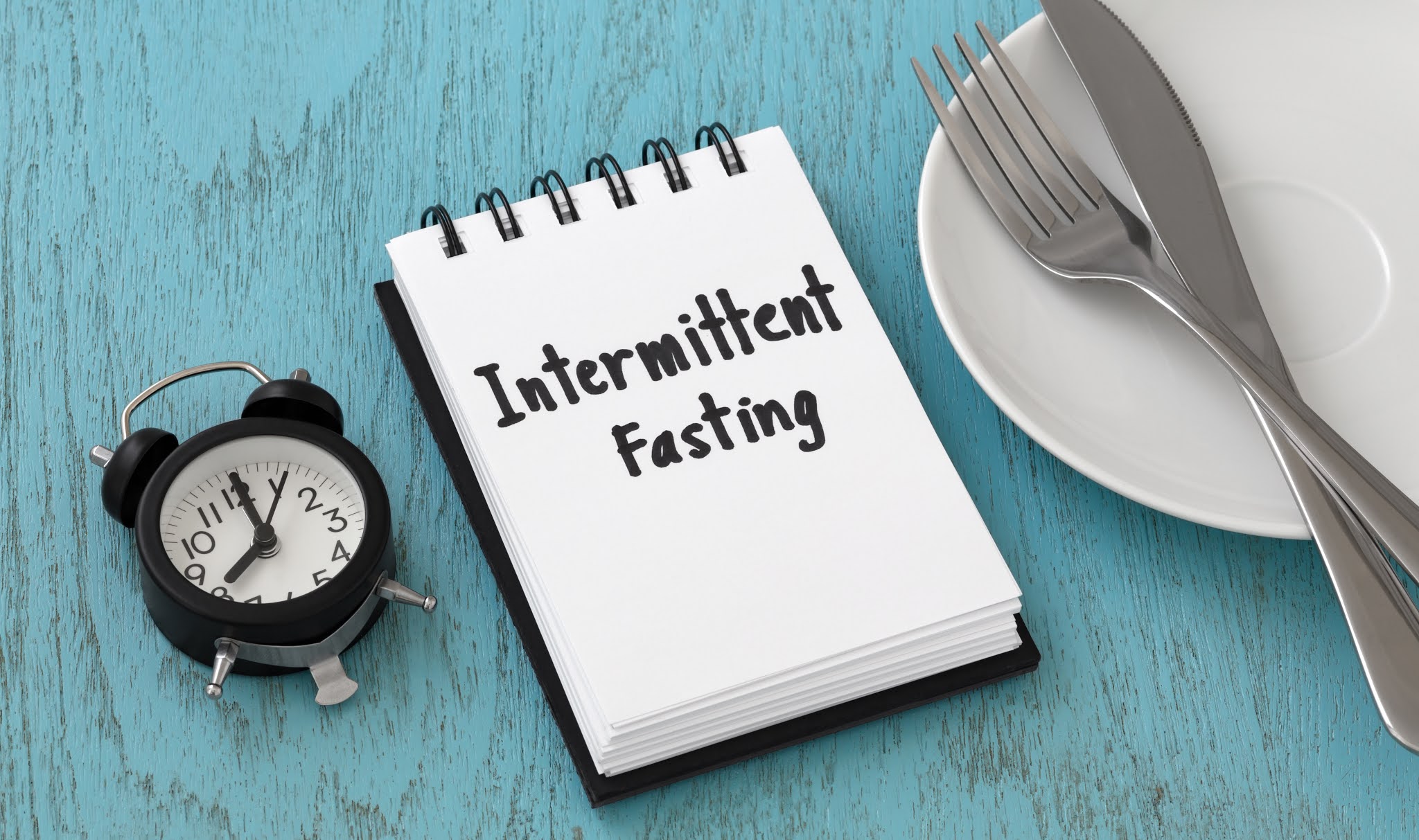
9 Evidence-Based Health Benefits of Intermittent Fasting


intermittent fasting health benefits

Intermittent fasting is the latest health and fitness trend. People use it for weight loss, to boost their health, and also to simplify their lives. In a previous article, we talked about coffee and if it breaks your intermittent fast or not. Several nutritional pieces of research have shown that intermittent fasting has benefits for your brain and body. It even prolongs life (123).

This article examines the 9 key health benefits of intermittent fasting based on scientific research.

1. Intermittent Fasting Alters Gene, Cell, and Hormonal Functions

A lot of things happen in the body when a person stays away from food for a while.

For instance, major cellular repair processes are initiated. Your hormonal levels also change to ease access to fat stored in the body.

The following changes take places in your body when you are undergoing a fast:

  • The insulin levels in your blood drop significantly. This helps your body to burn fat faster (4).
  • There may be a 5-fold increase in the growth hormone levels in your blood (56). High levels of growth hormone facilitate the burning of fat as well as muscle gain (78).
  • Fasting also triggers several cellular repair mechanisms, including the flushing of waste from cells (9).
  • Changes in gene expression is also an important benefit of intermittent fasting. These changes occur in molecules and genes associated with protection against disease and longevity (1011).

2. Intermittent Fasting Burns Belly Fat and Enhances Weight Loss

Many proponents of intermittent fasting do it because they believe that it promotes weight loss (12).

It is important to note that intermittent fasting may help you to take in fewer calories.

Also, intermittent fasting benefits the hormonal function by speeding up weight loss.

High levels of growth hormones, low insulin levels, and high amounts of noradrenaline (norepinephrine) increase the breakdown of fat and boost its energy use.

This explains why short-term fasting boosts metabolic rate by almost 3.6 – 14%, thus enhancing the burning of calories (1314).

3. Intermittent Fasting Lowers Your Risk of Type 2 Diabetes by Reducing Insulin Resistance

Recently, there has been an increase in the prevalence of Type 2 diabetes.

The primary feature of Type 2 diabetes is high blood sugar levels (hyperglycemia) due to insulin resistance.

It is important to note that whatever reduces insulin resistance can also help lower blood sugar levels and thus protect against type 2 diabetes.

The good news is that intermittent fasting helps with insulin resistance and facilitates the reduction of blood sugar levels (15).

Studies on intermittent fasting involving human subjects have shown that fasting blood sugar goes down by 3-6% during intermittent fasting. Also, fasting insulin reduces by at least 20% (16).

The implication is that intermittent fasting may be helpful for people who have a high risk of developing type 2 diabetes.

4. It Reduces Inflammation and Oxidative Stress

Oxidative stress is a major contributor to aging and several chronic ailments (17).

It involves free radicals, which are unstable molecules that react with important molecules and cause damage to them (18).

Many studies have shown that intermittent fasting can enhance the body’s resistance to oxidative stress (1920).

Also, studies have shown that intermittent fasting has anti-inflammatory effects, and inflammation is a major driver of most diseases (202122).

5. It May Improve Heart Health

Heart disease is a major cause of death globally (23).

Studies have shown that several health markers are linked to a high or low risk of heart disease.

Studies have shown that intermittent fasting improves the risk factors for heart disease, such as LDL cholesterol, total cholesterol, blood pressure, inflammatory markers, blood triglycerides, and blood sugar levels (15242526).

But it is worth noting that most of these studies are animal-based. There is a need for more studies on the effect of intermittent fasting on heart health in humans before any recommendations can be made.

6. It Induces Repair Mechanisms in Cells

When you are fasting, your body initiates a process called autophagy. This process involves the removal of cellular waste (1028).

Autophagy involves the breakdown of cells, as well as the metabolism of broken and dysfunctional proteins that accumulate inside cells over time.

Autophagy can offer protection against some diseases like Alzheimer’s disease and cancer (2930).

7. It Can Help Prevent Cancer

Cancer is a chronic condition. Its major feature is the uncontrollable growth of cells in the body.

Fasting has many benefits on the body’s metabolism. These effects may help to reduce the risk of cancer.

There is certainly a need for human studies, but animal studies conducted so far have shown that intermittent fasting can prevent cancer (31323334).

There is some proof that fasting can ease the side effects of chemotherapy (35).

8. It May Improve Brain Health

You see, what is good for your body is equally good for your brain.

Research has shown that intermittent fasting boosts those metabolic activities that improve brain health.

Metabolic features in this category include reduced inflammation, oxidative stress, reduced insulin resistance, and a lowered blood sugar level.

Rodent studies have shown that intermittent fasting enhances the growth of nerve cells, which theoretically should be beneficial for brain function (3637).

It also boosts the level of brain-derived neurotrophic factor (363839). A deficiency of this hormone contributes to depression and other mental conditions (40).

Results from animal studies show that intermittent fasting has protective effects against stroke-induced brain damage (41).

9. Could Prevent Alzheimer’s Disease

Alzheimer’s disease is a neurodegenerative disorder and is very common.

Currently, there’s no cure for it, so you should prevent it from showing up.

Studies carried out on rodents have shown that Alzheimer’s disease onset can be delayed by intermittent fasting. It may also make it less severe (42).

Several case reports have shown that lifestyle interventions, including intermittent fasts, can cause significant improvements in the symptoms experienced by most Alzheimer’s patients (43).

Also, animal studies have shown that fasting has protective effects against the development of other neurodegenerative ailments, like Huntington’s disease and Parkinson’s disease (4445).

More human research, however, needs to be done. There are many health benefits of intermittent fasting. We hope that after reading this article that you might consider giving a shot and getting healthier.

Vitamin K2: Your Heart's New Best Friend


[Read Time: 2-3 minutes] 
Vitamin K comes from the German word 'koagulation' after it was discovered in Germany to have a role in blood clotting. This is what it's most well known for but many don't even realize that they're different kinds of vitamin K and they each have their own specific roles.
VITAMIN K1
This type is found in dark green vegetables, matcha tea, and fermented soybeans called "natto".


This form goes directly to your liver and helps maintain healthy blood clotting. Low levels of this can result in bruising very easily.

VITAMIN K2 
Is made from the good bacteria in your large intestine from the above food sources. K2 has incredible health benefits that go far beyond blood clotting.

K2 doesn't go straight to your liver like K1, instead, it goes right to your blood vessel walls where it goes to work to remove excess calcium buildup and deliver it to the proper places such as your bones and teeth.

Besides moving calcium around to the areas of need, K2's other main role is it activates proteins that control cell growth. This means it has a very important role in cancer prevention. So if you're lacking in K2 you're at a much greater risk for osteoporosis, heart disease, and cancer.
WHY SUPPLEMENT?
Do you like natto enough to eat 50 grams a day? Probably not, which is why supplementation of vitamin K2 is a popular choice.

Keep in mind that Vitamin K2 needs to be supplemented alongside vitamin D3 as both work together to improve the effects of each other. They're both fat-soluble so take them with a meal or with your fish oil.

CLA - Discover The Secrets Supplement Companies Don't Want You To Know

higher concentrations of CLA
Read Time: [6-7 minutes]
Okay, so what's the deal with this "all-natural" weight loss supplement called CLA that everyone is talking about? They make it seem like they just swallow a pill, and the pounds magically melt away like butter.

That's impossible, no one can swallow a Mercedes whole.
2014 Mercedes-Benz CLA

Not the Mercedes CLA, but Conjugated Linoleic Acid or better known as CLA.
So, it's not the thing found at the dealership down the street?
No, I'm afraid not. CLA is actually a newly discovered "good fat" that has shown potential in recent animal studies to be a potent cancer fighter. In fact, small amounts have shown to not only block all three stages of cancer: 1) initiation, 2) promotion, and 3) metastasis, but also slow the growth of skin, breast, prostate, and colon cancer. (1

Most of the anti-cancer agents that are currently on the market block only ONE of these stages. CLA has also been found to inhibit chemically induced cancer in rats. (2, 3)
The current human CLA research is still relatively new. According to a recent Finnish survey, women with the most CLA in their diets had a 60 percent reduction in breast cancer risk. (4)
So, who makes this magic? 
CLA naturally comes from ruminant animals, such as cows and sheep, where the bacteria in their stomachs ferment their food and make it into this natural trans fatty acid.
GROSS! Trans fats are horrible for your health!!
That is very true, but CLA is the exception here. Unlike other trans fatty acids, CLA  is conjugated, so there may be beneficial effects on human health, as mentioned above.

300-500% less CLA compared to grass-fed animals.
Cattle eating corn silage
Just please make sure you buy grass-fed animal products, not grain-fed ones. In fact, there's up to 500 percent more CLA in animals that eat grass as opposed to that nasty grain silage. (5
If grass-fed animal products are the best sources why does my friend's bottle of CLA say "safflower oil"?
CLA is synthetically sourced from safflower oil
Bottle of Censor® containing Tonalin CLA
Great observation. Unfortunately, many people currently take a synthetic version that is widely promoted as an "all-natural fat burner." All current supplements use 'safflower oil' as their source of CLA.

used by supplement companies to synthetically make CLA
Safflower oil
The overall "fat-burning" research on CLA is actually inferior and unreliable. In almost all diet studies, the weight loss was pretty negligible, if there was any at all. 

One study in China took 63 overweight and obese people and put them on 1.7g of CLA (t10c12 isomer). The obese group (BMI >27) had the "best results" with a whopping 0.69kg loss over 12 weeks. Yes, this is positive, but statistically speaking, it is not clinically significant at all. What's worse is at the end of the study, a blood sample analysis was performed, and it showed their total cholesterol, triglycerides, LDL, and plasma fasting glucose INCREASED while their HDL cholesterol DECREASED. (6)

Another double-blind study found that doses above 3.4g of CLA for 12 weeks (3.4, 5.1, 6.4 grams) were associated with negligible decreases in fat mass and increases in lean body mass in overweight and obese participants. I say the word 'negligible' because it was. 

Body fat mass and lean body mass in obese and overweight men and women given placebo or varying amounts of CLA.
           CLA on body fat mass and lean body mass

The most dramatic numbers were seen with 3.4g and were a killer -1.73kg fat mass with +1.26kg lean mass. (7)
Wow, that's a little disappointing.

Tell me about it. So you can take those safflower soft-gels, and they might make you lose enough fat to compensate for that one cookie you had last night. But just don't expect to see a significant amount of weight loss that many of these supplement companies claim.

I honestly don't trust the safflower source of CLA (t10c12 isomer) at all. If the first study I mentioned wasn't enough, how about the one where they took 60 obese males and gave them 3.4 g/day for 12 weeks, INCREASED insulin resistance, and glycemia REDUCED HDL "good" cholesterol. The placebo showed no change in these levels, and the weight loss numbers were not significantly different. (8)
So, are CLA supplements a decent fat-burner or what? 
No. With the current research, I'd say it's more of a money burner, if anything.
If that's the case why do supplement companies use safflower instead of grass-fed animal sources?
Because a flower is CHEAPER to source from than a grass-fed animal. In their defense, it honestly is tough to squeeze a grass-fed filet mignon in a pill. Oh well. 
What supplements can I take that WORK then?
You can start by drinking grass-fed whey protein shakes, which are a great natural source of CLA and have much higher glutathione levels than grain-fed wheys. Glutathione is actually a potent antioxidant that helps protect your muscle cells against harmful oxidation.

You can also try throwing some grass-fed butter into your coffee with coconut oil, like we talked about in my last post. Shaken, not stirred.