Showing posts with label chiropractic. Show all posts

Cerebral Palsy and Foundational Correction


Photo Credit: By piter2121
Photo Credit: By piter2121

Cerebral palsy (CP) is more than one condition. The term cerebral palsy describes a group of conditions sharing similar symptoms. It is a neurological condition that usually shows up during infancy, leading to body movement and muscle coordination issues. The symptoms of cerebral palsy may be due to brain damages or abnormalities to the brain that affects the child’s ability to maintain the correct posture, balance, or movement.

Does cerebral palsy have specific symptoms? If yes, what are they? Can the nervous system function be improved? Is there a way to restore the body’s ability to control the muscles? We’ll learn about this and more in this article.


What is cerebral palsy?

Cerebral palsy (CP) is a group of conditions that affect the muscles' coordination and movement. In most cases, hearing, sensation, and vision are affected.

When you hear the word cerebral, what comes to your mind? Well, cerebral refers to the brain. “Palsy,” on the other hand, means “problems” with the movement of the body or “weakness.”

Most childhood motor disabilities are caused by cerebral palsy. The Centers for Disease Control and Prevention (CDC) report shows that globally, 1.5–4 of every 1000 children are affected by this condition.

Symptoms of cerebral palsy

The symptoms of this condition vary. It may be mild in some people and very severe in others. Some cerebral palsy patients may have difficulty sitting and walking. Other cerebral palsy patients may find it hard to grasp objects.

The severity of the symptoms reduces over time. Symptom severity also depends on which part of the brain was affected.
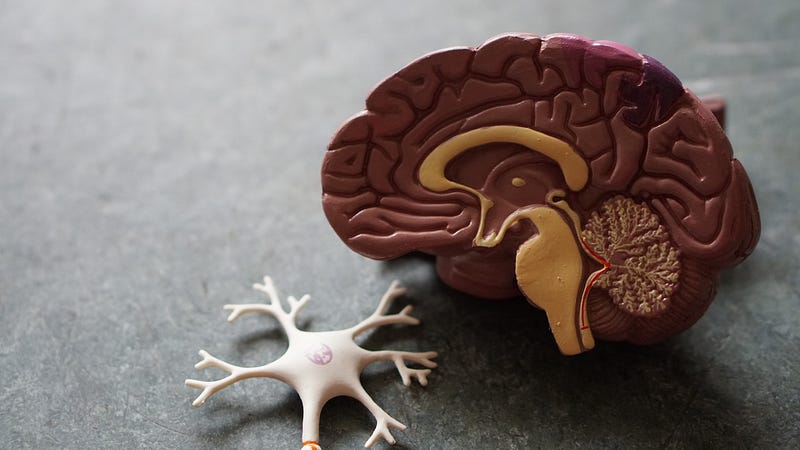
Photo by Robina Weermeijer on Unsplash

Common signs of CP include:

· Stiff muscles (spasticity)

· Involuntary movements of tremors

· Variations in muscle tone

· Late attainment of motor skill milestones, like sitting up alone, crawling or rolling over.

· Difficulty walking

· Difficulty swallowing or excessive drooling

· Neurological conditions, like intellectual disabilities, blindness, and seizures

· Lack of muscle coordination (ataxia)

It is important to note that many children are born with cerebral palsy. However, the symptoms only show up after some months or years. The symptoms usually show up before the child attains the age of 3–4.

You should consult your doctor if you think that your child has cerebral palsy. Effective treatment depends a lot on early diagnosis.

What causes cerebral palsy?

Well, cerebral palsy is mostly caused by injury to the brain or abnormal development of the brain. Damage to the developing brain can affect the brain region that controls posture, coordination, and body movement.

Damage to the brain usually occurs before the child is born. However, it may also happen during the first year of life. Most of the time, the exact cause isn’t known.

Photo Credit: irissca
Photo Credit: irissca

Factors that may cause cerebral palsy include:

· Jaundice in the child

· Genetic mutations that cause poor development of the brain

· Maternal infections, like herpes simplex or German measles

· Asphyxia neonatorum (lack of oxygen during delivery)

· Head injuries due to falls, automobile accidents, or child abuse

· Bleeding into the brain (intracranial hemorrhage)

· Brain infections, like meningitis and encephalitis.

Who is at risk for this condition?

Several factors may increase a child’s risk for cerebral palsy. Prominent among these include:

· Low birth weight

· Premature birth

· Rh incompatibility

· Breech birth (a condition where the baby’s feet or buttocks comes out first)

· When the mother is exposed to toxins like methylmercury during birth.

How does upper cervical chiropractic help with cerebral palsy?

Chiropractic is Greek for “practices by hand.” There are different types of medical doctors with specialties; there are different types of chiropractors who focus on other specific conditions besides pain management.

Most chiropractors take the traditional approach and do an EXCELLENT job at it, too. However, this type of care falls under symptom relief or symptom management, otherwise known as “band-aid” care.

In my office, Foundation Chiropractic, we have a non-traditional approach to chiropractic. We focus on Foundational Correction with an emphasis on the upper cervical spine or the top of the neck. We fix the primary condition and correct the spine back to normal without ever twisting, cracking, or popping. And adjust the neck without any popping or cracking.
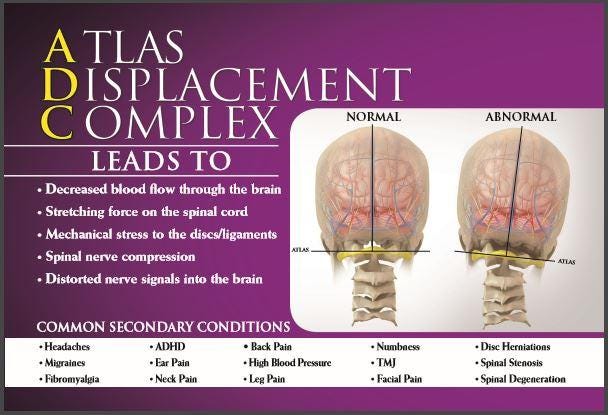
Atlas Displacement Complex (ADC)
Atlas Displacement Complex (ADC)


There have been several studies published that have shown how upper cervical chiropractic care may be effective in naturally treating cerebral palsy. One of the studies involved a 5-year-old boy. He suffered seizures, blindness, and chronic ear problems. As a result, he was confined to a wheelchair. Upon consulting an upper cervical chiropractor, a Foundational Shift was discovered.

The chiropractor set to work, and after two adjustments, the vocal drone (which was characteristic of the boy’s voice) became an occasional moan. The boy was able to clap, and his seizures reduced. After four weeks of treatment, the vocal drone seized completely, and he could sit and stand on his own.

Within 5 weeks of treatment, the central vision was restored, as confirmed by an ophthalmologist, confirming a significant improvement in his cerebral palsy.

It is important to note that specific upper cervical chiropractic adjustments can reduce some symptoms of cerebral palsy. For instance:

· Correcting Foundational Shifts can help those who experience sleep disorders, hypertonic musculature, and personality disturbances.

· Corrections can also help with cranial dysfunction in the sphenobasilar junction, especially in children who suffered birth trauma.

Takeaway - Foundational Correction Can Help Cerebral Palsy Symptoms

Evidence shows that Foundational Correction using upper cervical chiropractic care can help reduce some of the cerebral palsy symptoms naturally.

If your child suffers from this condition, or you know anyone that does, advise them to schedule a complimentary consultation with an upper cervical chiropractor that focuses on Foundational Correction. The doctor will examine the patient using advanced diagnostic imaging and testing. The objective testing will help the doctor determine if they can or cannot help the patient. If there’s a shift in the upper cervical spine, the Foundational Chiropractor will use the advanced imaging to give a precise, targeted adjustment — restoring the brain-body connection and allow the nerves to function to their full potential.

If you’re interested in Foundational Correction and would like to learn more, you can call my office at 813–578–5889 or visit our online scheduler to book your complimentary consultation.

Remember, at Foundation Chiropractic, our consultations are simply a conversation without any commitment whatsoever needed. We look forward to meeting you and explaining the Foundational Difference.


References

Hawk C. (2016). The Use of Chiropractic by Special Populations. Journal of evidence-based complementary & alternative medicine, 21(2), 83–84. https://doi.org/10.1177/2156587216635345

Kachmar, O., Voloshyn, T., & Hordiyevych, M. (2016). Changes in Muscle Spasticity in Patients with Cerebral Palsy After Spinal Manipulation: Case Series. Journal of chiropractic medicine, 15(4), 299–304. https://doi.org/10.1016/j.jcm.2016.07.003

Erectile Dysfunction and Foundational Correction


Erectile Dysfunction and Foundational Correction

Many men are not comfortable talking about erectile dysfunction. But the truth remains that it is a major problem in the present society. What’s more? It has a huge impact on the lives of people who are affected by it.

When a man has erectile dysfunction, he cannot achieve an erection or maintain one firm enough to have satisfactory sexual intercourse.

Erectile dysfunction may occasionally occur, especially during stress. However, when it occurs frequently, it might be a sign of underlying health conditions requiring treatment. Erectile dysfunction can also be a sign of relationship or emotional difficulties, which can only be handled by a professional.

How does a person achieve an erection?

Erectile dysfunction may be caused by problems occurring at any stage of erection. A person achieves an erection when blood flows to his penis. The blood flow to the penis is stimulated by physical stimulation of the male organ or by sexual thoughts.

Sexual stimulation of the male causes the penile muscles to relax. This enhances the flow of blood to the arteries in the penis. The chambers in the penis fill up, and the organ becomes rigid.

Contraction of these muscles causes the accumulated blood to flow out via the veins of the penis, thus bringing the erection to an end.

Causes of erectile dysfunction

Erectile dysfunction may be a singular condition (occurring on its own), or in some cases, caused by an underlying medical condition. Common medical conditions that may contribute to erectile dysfunction include:

· Sleep disorders

· Heart disease

· High blood pressure

· Tobacco use

· Multiple sclerosis

· Parkinson’s disease

· Alcoholism

· Obesity

· Diabetes

It is, however, important to note that nerve inflammation is the primary cause of erectile dysfunction. The central nervous system controls the nerves that supply the genital area. These nerves are, in turn, connected to the spinal cord.

Any Foundational Shift of the spine can impede blood flow and disrupt communication between the brain and the body via the nerves that supply the genitals. The impeding of blood flow and disruption of communication cause erectile dysfunction and other conditions.

It is also important to note that the health of one’s central nervous system can cause psychological issues, and some of these issues can impact erectile dysfunction. Psychological factors trigger the ability to be aroused or excited, and a misalignment of the spine can affect these factors. Stress, depression, mental health concerns, and anxiety are linked to spine health. They can cause erectile dysfunction or worsen pre-existing conditions.

How does upper cervical chiropractic help with erectile dysfunction?

The goal of Foundational Correction is to correct the primary cause of nervous system dysfunction. As such, it is a recommended method of naturally treating erectile dysfunction. Not only does Foundational Correction using upper cervical chiropractic care decrease the physical symptoms, but it also improves the psychological factors that contribute to it.

Atlas Displacement Complex (ADC)

Several studies are ongoing with regards to the efficacy of Foundational Correction for erectile dysfunction (ED). A particular study showed that upper cervical chiropractic held great promise for ED improvement. A 53-year-old male patient underwent chiropractic care for chronic lower back pain and erectile dysfunction in one of the studies. After a few weeks, the patient experienced an immense improvement in his back pain and ED.

If you want to learn about the impact that Foundational Correction can have on your health, life, and wellbeing, contact my office at 813–578–5889 or visit our website to schedule your complimentary consultation today. We will be happy to discuss with you and put you back on the path to optimal health and wellness.


References

Hadley, H., Hadley, H. “Reduction in Frequency and Severity of Erectile Dysfunction and Chronic Low Back Pain in a 53-year-old Male Utilizing the Gonstead Technique: A Case Study.” Annals of Vertebral Subluxation Research, 2016 Dec 5; 137–152.

Why Bacon is HEALTHY for You

[Read Time: 2-3 minutes]

Why would bacon be healthy for you when it's filled with “artery-clogging" saturated fat, excessive amounts of sodium that raises blood pressure, and the “cancer-causing” nitrates/nitrites?
Would you believe me if I told you that all 3 of those points are myths and that bacon is healthier for you than you think?

SATURATED FATS
A majority of the public still think that saturated fats are linked to heart disease because they raise cholesterol. Saturated fats, without refined carbs and in the presence of enough omega-3, do not show to be harmful to your body (1). In fact, the sugar industry back in the 60’s paid off scientists to claim saturated fats caused heart disease (2).

SODIUM
People with salt-sensitive hypertension should avoid excessive sodium (salt) intake because it raises their blood pressure. However, in most people, there’s little to no association between salt consumption and hypertension (3). Sodium is an essential mineral which means it’s critical for our health. Excessive amounts risk kidney damage (4) and cognitive decline (5). The average American consumes nearly double the RDI. Anything in excess is harmful so use moderation, but don’t worry about the blood pressure increases.

NITRITES/NITRATES
Finally, the big horror story of eating bacon, according to mainstream health, nitrates. Used in the process of curing bacon, nitrates have been shown in only ONE study to increase the risk of cancers. This study has been discredited after being subjected to a peer review. Since then, there have been major reviews of the scientific literature that found no link between nitrates and cancers (6,7). What’s surprising is nitrates may even be beneficial for your immune system (8) and heart health (9) due to the conversion to nitric oxide.

It may come at a surprise to you but 1 serving of arugula, 2 servings of lettuce, and 4 servings of celery or beets have more nitrates than 467 hot dogs (10). What’s more surprising is your saliva has more than all of them combined. That’s because salivary nitrite accounts for 70-90% of our total nitrite exposure.

NITRATE-FREE SCAM
The “nitrite/nitrate-free” hot dogs and bacon are a scam and not worth the extra cost. Don’t be fooled because these products use “natural” sources from celery and beets and contain the same chemical. In fact, they may even contain MORE when cured using these “natural” preservatives. 

So eat your bacon and ENJOY it!

REFERENCES
1. SF & HEART = https://goo.gl/9jsHCm
2. SUGAR INDUSTRY = https://goo.gl/ucxpP1
3. SALT & BP = https://goo.gl/2PrLGt
4. SALT & KIDNEY = https://goo.gl/9UcZEW
5. SALT = https://goo.gl/mqWh1R
6. CANCER 1 = https://goo.gl/LcVnKE
7. CANCER 2 = https://goo.gl/Yhh66g
8. IMMUNE = https://goo.gl/w5Jg7f
9. HEART = https://goo.gl/s8ou5V
10. HOTDOGS = https://goo.gl/tDaa6Z

The Importance of the Psoas

[Read Time: 2-3 minutes]
When health experts talk about which muscles in your body are important for optimal health, you usually hear them list the glutes, hamstrings, and abdominals. But rarely is the psoas muscle (pronounced "so-as") mentioned as much as it needs to be. 

The psoas is a very large muscle that connects the top half of your body to the bottom. If you didn't have this muscle, well, you'd probably be separated in half. It originates from your 12th thoracic vertebra to your fourth lumbar vertebra and inserts on the inside of your femur.
The psoas flexes your legs up which is needed for walking, running, climbing stairs, dancing, and anything that involves the coordination of your torso and legs.

This muscle is essential for correct posture as it affects the stability of your spine. If there is any type of dysfunction, whether it be from a weak or tight psoas, it can cause the surrounding muscles to overcompensate and become fatigued. This explains why a tight psoas muscle could be the cause of your low back or pelvic pain.
The movements that aggravate your psoas include:
  • Sitting for an extended period.
  • Standing and twisting from your torso without moving your feet.
  • Performing too many sit ups without an equal amount of back extensions.
That's right, your psoas is used to help you finish that last half rep of a sit-up. 

In summary, many experts don't seem to understand the importance of the psoas and sometimes give their patients the wrong diagnoses and treatments for a condition that has nothing to do with their original problem.

The problem many people face is their psoas is either too tight or too weak on one side. To determine this, you need to find a skilled healthcare practitioner that knows exactly how to test it and determine what to do to make each psoas symmetrical.