Showing posts with label natural. Show all posts

How Does Caffeine Affect Your Brain Function?


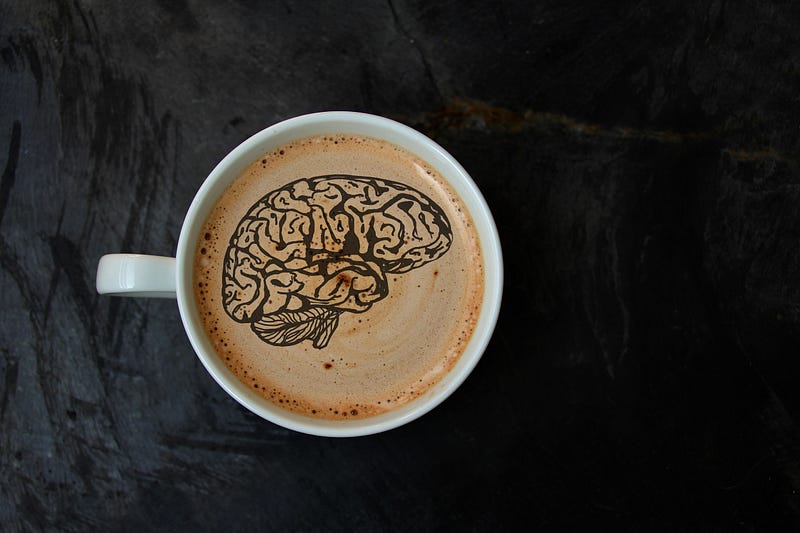
brain and coffee

Every day, billions of people drink caffeine. Their reasons for this differ. Either they are relying on it to wake up, or to get through an afternoon slump, or maybe a night shift.

Caffeine is a well-known natural stimulant and is one of the most widely-used ingredients globally (1).

One of the main reasons caffeine is popular is its negative effects on the brain, including anxiety and sleep. But then, several studies have commended its many health benefits.

This article examines the effects of caffeine on your brain, as well as how it affects your sleep and your health in general.

How caffeine can affect your nervous system.

What is Caffeine?

It is a natural stimulant widely found in coffee, cacao, and tea plants. It stimulates the central nervous system and the brain and helps you to remain alert while also preventing fatigue.

According to history, the very first tea was brewed in 2737 BC (1).

It was discovered by a shepherd in Ethiopia who observed that it gave his flock extra energy. And then, in the late 1800s, caffeinated soft drinks came on board, followed by energy drinks.

Currently, over 80% of the global population takes at least one caffeinated product each day. In North America, over 90% of adults take caffeinated products daily (1).

How Does Caffeine Affect Your Brain?

After caffeine is consumed, it is absorbed from the digestive system into the bloodstream. Once in the bloodstream, it moves to the liver and is metabolized (broken down) into elementary compounds that can affect your organs and how they function.

However, the main effect of caffeine occurs in the brain. Caffeine blocks adenosine’s effects. Adenosine is a neurotransmitter that causes your brain to relax and gives you that tired feeling (2).

Normally, the adenosine levels in your body build up over time, causing you to feel tired and give you that sleepy feeling.

But caffeine will keep you mentally alert and awake by binding to adenosine receptors but without activating them. This will block adenosine’s effects, thus reducing tiredness (3).

Caffeine also increases the level of adrenaline in the blood and the activities of norepinephrine and epinephrine in the brain (3).

This stimulates the brain and triggers a state of alertness, focus, and arousal. Caffeine is classified as a psychoactive drug because of its potential to affect your brain. Also, caffeine is “quick-acting.” For example, the amount of caffeine present in a cup of coffee can reach your bloodstream within 20 minutes, while its full effects can be felt within an hour of taking it (1).

Foods that Contain Caffeine

Caffeine is found naturally in nuts, leaves, or the seeds of certain plants. These sources are then harvested and processed, resulting in the production of caffeinated beverages and foods.

Below, we have the amounts of caffeine you may get per 240ml serving of some beverages (1):

  • Coffee: 102–200mg
  • Espresso: 240–720mg
  • Energy drinks: 50–160mg
  • Yerba mate: 65–130mg
  • Chocolate milk: 2–7mg
  • Cocoa beverage: 2–7mg
  • Decaffeinated coffee: 3–12mg
  • Soft drinks: 20–40mg

You can also find caffeine in some foods. For example, an ounce (28g) of milk chocolate contains 1–15mg, while an ounce of dark chocolate will provide 5–35mg (4).

Caffeine is also present in some over-the-counter drugs or prescription drugs like pain, allergy, and cold medications. It is also used in weight loss supplements.
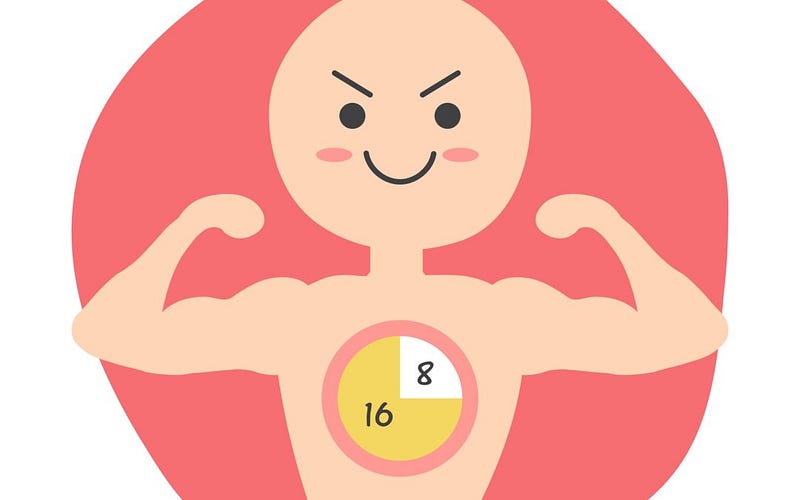
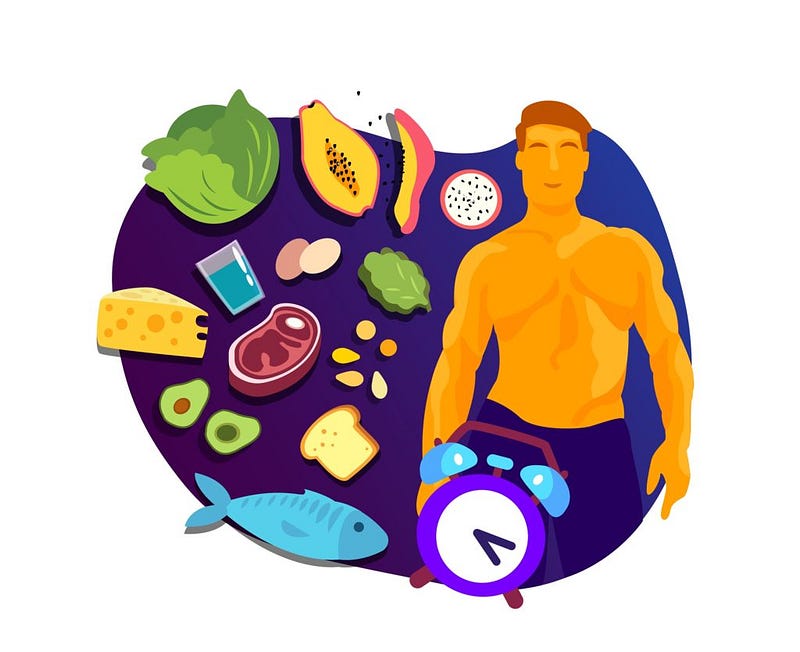
Can You Build Muscle While Doing Intermittent Fasting?


Does intermittent fasting affect lean muscle mass?


Intermittent fasting
has been in the news lately. This is not surprising as it is a very popular diet. But does it affect lean muscle mass?

There are several types of intermittent fasting, but they all share one thing in common — which is that they last longer than the regular overnight fast.

Several pieces of nutrition-based research have shown that intermittent fasting can help a person to lose some fat. However, there’s a little bit of alarm in that it seems to have the potential to cause muscle loss.

In this article, we will discuss explicitly how intermittent fasting affects your lean muscle mass.

What is intermittent fasting?

As popular as the concept of intermittent fasting is, there’s still some confusion as to what it is.

This is not surprising because intermittent fasting is a really broad term that describes several kinds of eating. The commonest types of intermittent fasting include (1):

  1. Time-restricted fasting: Intake of calories is restricted to a couple of hours daily, ranging from 4–12 hours. In most cases, there’s always an 8-hour eating period.
  2. Alternate-day fasting: In this form of fasting, you will alternate between non-fasting and fasting days. What this implies is that you’ll fast on other days, but not fast on some. Some people may not have any meals on fast days, but in many cases, people do have small meals on fasting days.
  3. 5:2 diet: It is similar to periodic and alternate-day fasting. On a 5:2 diet, you’ll eat well for 5 days a week, and for the remaining 2 days, you’ll have just 25% of your normal calories.
  4. Periodic fasting: Another name for this is whole-day fasting. In a periodic fast, you will have occasional fasts separated by weeks or days of normal eating.

What happens during weight loss?

Can you fast and gain muscle at the same time?

You see, weight loss involves the shedding of unwanted body fat, but it is much more than that. When you lose weight, you equally lose lean body mass, visceral fat, bodily fluids, and of course, water weight.

Does intermittent fasting affect lean muscle mass?

Water weight refers to the fluids that can accumulate in your body tissues due to stress, poor nutrition, or hormonal changes. Instead of the fluid getting released, it is stored by your body between your skin and organs. This water weight may be referred to as bloating.

When you start intermittent fasting, your carb levels will reduce and your body will switch to glycogen for energy. Glycogen is activated by water. So, your body makes use of the water in its stores to create energy from glycogen.

Fat burning starts immediately after your water bloat is drained. This process also burns your muscle. Research suggests that you can burn fat and also gain lean muscle simultaneously during an intermittent fast.

What are the odds of losing muscle when fasting?

Most studies on intermittent fasting have been targeted primarily at weight loss (1).

Note that one can lose weight without exercise, but in this case, the weight loss will be due to the loss of lean mass and fat. Leans mass means everything (including muscle) except fat (2).

This applies to weight loss caused by intermittent fasting as well as other diets.

Many studies have shown that a person may lose small amounts of lean mass after fasting intermittently for several months (1).

But then, other studies could not find any loss of lean mass (3, 4).

Many studies, however, have concluded that intermittent fasting may help maintain lean mass as compared to other non-fasting diets. But there’s a need for further research on this subject (5).

Generally, you may not lose your muscle on an intermittent fast compared to other weight-loss diets.

'Bad' LDL Cholesterol May Not be so Bad


Photo Credit: Delphotostock on Adobe Images
Photo Credit: Delphotostock on Adobe Images

It is no longer news that low-density lipoprotein (LDL) has been given a bad name. Yes, ever since it was tagged the “bad” cholesterol, LDL has been heavily demonized and accused of contributing to almost every health disorder.

Cardiologists and medical doctors have also campaigned vigorously against LDL, insisting that humans are better off with a low level of this cholesterol in their blood.

However, several studies have challenged this “cholesterol hypothesis” and found that there has been a great exaggeration of statin therapy benefits, and that ‘LDL’ cholesterol is not your enemy per se.


What are the different types of cholesterol?

You see, there are two main types of cholesterol: the good and the bad.

The ‘good’ cholesterol is known as high-density lipoprotein cholesterol, while the ‘bad’ cholesterol is known as low-density lipoprotein cholesterol (HDL and LDL respectively).

It has been hypothesized that LDL cholesterol plays a major role in numerous health conditions, including cardiovascular conditions.

Photo Credit: Naeblys on Adobe Images
Photo Credit: Naeblys on Adobe Images

However, researchers believe that high LDL cholesterol doesn’t really cause much harm as insinuated.

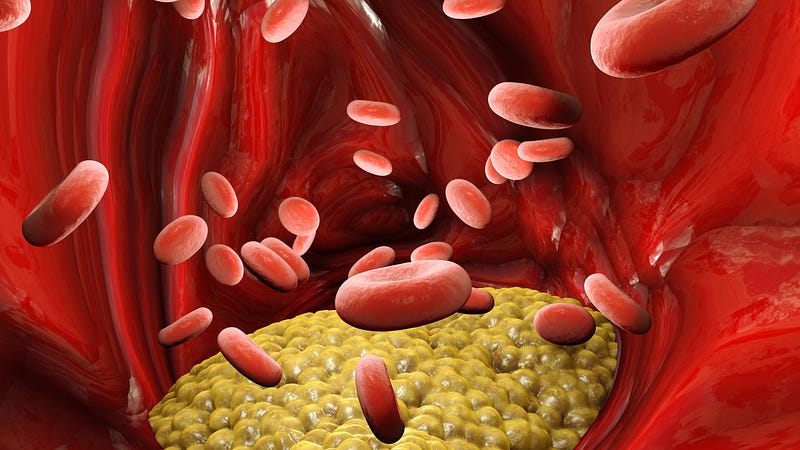
Technically, bad cholesterol is thought to be atherogenic. This means that it promotes fatty plaque formation in the arteries. This explains why statins target LDL.

However, results from current research have found that targeting bad cholesterol may not be good medicine.


What does the research say?

A 2016 study published in the British Medical Journal found that LDL cholesterol may not be so bad after all. Going a step further, researchers have provided the rationale to re-evaluate guidelines for heart health.

The researchers were pulled from seven countries around the world. They evaluated data obtained from 19 studies on over 68,094 adults. The objective of the research was to determine the role of LDL cholesterol in the mortality of older adults.

Well, the cholesterol hypothesis suggests that there should be a direct relationship between LDL cholesterol and death in older adults. But the results from the BMJ study found otherwise.

According to the researchers, over 80% of the participants with high LDL cholesterol did not die due to high cholesterol levels.

Conversely, researchers discovered that there was a high death rate among people with low levels of LDL cholesterol, the major cause of death for both male and female American adults.

The findings from these studies have contradicted the cholesterol hypothesis. The researchers who have themselves published books criticizing this cholesterol hypothesis agree that there has been a great exaggeration of the benefits of statin treatment.


The origin of the cholesterol hypothesis

Experts who have challenged the acclaimed importance or benefits of LDL cholesterol say that we’ve made a lot of wrong measurements.

According to the researchers, cholesterol may not be a direct marker of heart disease. They also say that total cholesterol may not be an accurate metric.

According to the researchers, focusing on triglycerides might be the best way to monitor heart health.

In the 1960s, there was serious controversy over the primary cause of heart disease. One group focused on sugar as the culprit, while the other group insisted that dietary fat, especially saturated fat, was the primary cause.

John Yudkin championed the accusation against sugar, while Ancel Keys suggested that dietary fat was to blame. Yudkin was a British physiologist while Keys was an American scientist.

The battle continued until the 1970s, but then, three major discoveries relegated fat as the primary enemy of heart health.

The first discovery centered around familial hypercholesterolemia, a genetic condition characterized by a lack of LDL receptor in the liver, usually leading to teenage death from a heart attack.

The second discovery was that LDL cholesterol level was raised by dietary fat.

And the third argument was that there was a correlation between high LDL levels and heart disease.


Why Would Your Body Make LDL if It’s ‘Bad’?

The idea that fat was the problem, was welcome. Yudkin’s argument was completely forgotten, and the low-fat theory ruled, completely destroyed our diets, and resulted in the current metabolic syndrome and obesity pandemic.

The truth is that these three discoveries, all of which are not completely true, turned out to be unrelated and irrelevant.

The fact is LDL is not as bad as many think and that you should consider a healthy ketogenic diet full of vegetables. To learn more, read this article that explains ketosis more in detail.


References

Centers for Disease Control and Prevention. Underlying Cause of Death, 1999–2018. CDC WONDER Online Database. Atlanta, GA: Centers for Disease Control and Prevention; 2018. Accessed April 16, 2021.

Diamond DM, Ravnskov U. How statistical deception created the appearance that statins are safe and effective in primary and secondary prevention of cardiovascular disease. Expert Rev Clin Pharmacol 2015; 8:201–10.

Fryar CD, Chen T-C, Li X. Prevalence of uncontrolled risk factors for cardiovascular disease: United States, 1999–2010 pdf icon[PDF-494K]. NCHS data brief, no. 103. Hyattsville, MD: National Center for Health Statistics; 2012. Accessed April 16, 2021.

Ravnskov U, Diamond DM, Hama R, et al. Lack of an association or an inverse association between low-density-lipoprotein cholesterol and mortality in the elderly: a systematic review. BMJ Open 2016;6: e010401. doi: 10.1136/bmjopen-2015–010401

Is Sitting Really that Bad?


Photo by Standsome Worklifestyle on Unsplash

It’s a new world. Everything has been modernized, right from our bedrooms up to our workspaces.

As such, most people spend more time seated than ever before.

But the question is, “does too much sitting have any negative impact on our health?”

We’ll find out the answer to this in this article.


There’s an increase in the number of people sitting these days

Sitting is a form of posture. People maintain a seated position when they work, study, travel, or socialize.

The average office worker spends an average of 15 hours a day sitting.

But that’s not to say that sitting is an entirely harmless behavior. Frankly, sitting and other sedentary postures cause some harm to the body. In most cases, people spend over half of their day sitting, engaging in activities such as working on the computer, watching movies, or driving.

Studies have shown that the average office worker spends an average of 15 hours a day sitting. Conversely, a person working on a farm may spend just three hours sitting (1, 2).

When you sit too much, you burn fewer calories.

We burn calories anytime we engage in our activities of daily living. Even simple non-exercise activities like walking, fidgeting, and standing help us to burn calories.

Energy expended in this form is known as non-exercise activity thermogenesis (NEAT). It is important to note that a lack of this activity (NEAT) contributes to weight gain (3).

Sedentary acts like lying down and sitting do not expend much energy. As such, the number of calories that you burn will be severely limited.

Let’s consider agricultural workers. Studies have shown that the number of calories they burn is 1000 times higher than that of people who do desk jobs (4).

This is because most agricultural workers spend a large chunk of their time standing and walking.

Photo by Zoe Schaeffer on Unsplash

When you sit, your risk of weight gain is increased

Burning fewer calories increases your risk of weight gain. This explains why people who lead sedentary lives are mostly obese.

Studies have shown that obese people sit at least two hours more than people with a healthy weight (5).

A sedentary life is linked to early death

Data collected from observing over a million people revealed that leading a sedentary life puts a person at risk of early death.

Studies have shown that the risk of death among sedentary people is 22–49% higher (6).

Sedentary behavior is also associated with chronic diseases

Studies have associated a consistent sedentary behavior with at least 30 chronic diseases. This includes a 147% increase in one’s risk of heart disease and a 112% increase in the risk of type 2 diabetes (6).

Research has also shown that not walking up to 1500 steps daily or sitting for a long time causes a rise in insulin resistance, driving type 2 diabetes (7).

Medical researchers think that leading a sedentary life may have a direct impact on insulin resistance. It is also worth knowing that this effect may occur in less than a day.

What you should do instead

Without a doubt, there’s a lot of sitting in Western societies.

However, while relaxing isn’t bad in itself, you must reduce the amount of time that you spend sitting at work.

If you’re doing a desk job, then invest in a standing desk. Ergonomics in the work environment is important. You can also take short walks while at work.

Reducing the amount of time spent sitting is as important to your health as regular exercise and a healthy diet.

Photo by Harmoni Desk on Unsplash


References

  1. Dunstan, D. W., Howard, B., Healy, G. N., & Owen, N. (2012). Too much sitting — a health hazard. Diabetes research and clinical practice, 97(3), 368–376. https://doi.org/10.1016/j.diabres.2012.05.020
  2. Levine, J. A., McCrady, S. K., Boyne, S., Smith, J., Cargill, K., & Forrester, T. (2011). Non-exercise physical activity in agricultural and urban people. Urban studies (Edinburgh, Scotland), 48(11), 2417–2427. https://doi.org/10.1177/0042098010379273
  3. Villablanca, P. A., Alegria, J. R., Mookadam, F., Holmes, D. R., Jr, Wright, R. S., & Levine, J. A. (2015). Nonexercise activity thermogenesis in obesity management. Mayo Clinic Proceedings, 90(4), 509–519. https://doi.org/10.1016/j.mayocp.2015.02.001
  4. Levine J. A. (2014). Lethal sitting: homo sedentarius seeks answers. Physiology (Bethesda, Md.), 29(5), 300–301. https://doi.org/10.1152/physiol.00034.2014
  5. Levine, J. A., Lanningham-Foster, L. M., McCrady, S. K., Krizan, A. C., Olson, L. R., Kane, P. H., Jensen, M. D., & Clark, M. M. (2005). Interindividual variation in posture allocation: possible role in human obesity. Science (New York, N.Y.), 307(5709), 584–586. https://doi.org/10.1126/science.1106561
  6. Wilmot, E. G., Edwardson, C. L., Achana, F. A., Davies, M. J., Gorely, T., Gray, L. J., Khunti, K., Yates, T., & Biddle, S. J. (2012). Sedentary time in adults and the association with diabetes, cardiovascular disease, and death: systematic review and meta-analysis. Diabetologia, 55(11), 2895–2905. https://doi.org/10.1007/s00125-012-2677-z
  7. Krogh-Madsen, R., Thyfault, J. P., Broholm, C., Mortensen, O. H., Olsen, R. H., Mounier, R., Plomgaard, P., van Hall, G., Booth, F. W., & Pedersen, B. K. (2010). A 2-wk reduction of ambulatory activity attenuates peripheral insulin sensitivity. Journal of applied physiology (Bethesda, Md.: 1985), 108(5), 1034–1040. https://doi.org/10.1152/japplphysiol.00977.2009

Eggs vs Cereal: The Battle for Breakfast of Champions


eggs for a health breakfast
Photo by Ismael Trevino on Unsplash


What do you eat for breakfast every morning? Nothing but cereals?

Well, be rest assured, you’re not alone. Cold cereals are a very convenient and easy food. Proponents of cereals claim it has lots of health benefits. But the question is, “are they as healthy as claimed?”

Several studies have shown that an early breakfast improves satiety and helps you snack less during the day. But eating only carbs at breakfast might be detrimental to your health needs. You’re better off adding some protein and fat as well.

So, in this article, we’ll see which is a healthier alternative for breakfast: cereals or eggs?


What is cereal?


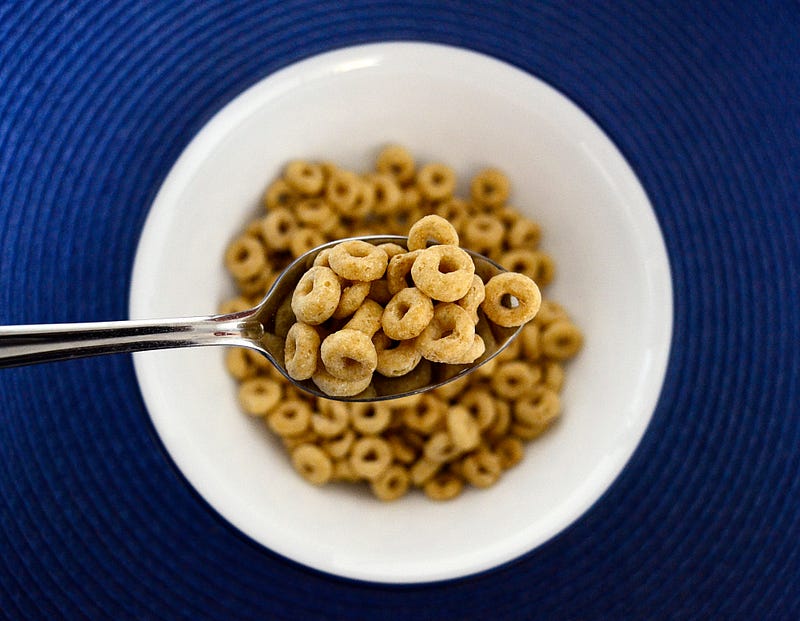
Breakfast cereal is produced from grains. Most cereals are fortified with minerals and vitamins. They’re usually eaten with yogurt, milk, nuts, or fruits (1).
Photo by Deena Englard on Unsplash

So, how are breakfast cereals made? Typically, they are made by:

1. Processing: The food manufacturer processes the grains into fine flour and cooks them.

2. Extrusion: Some breakfast cereals are produced via an extrusion process. During extrusion, the cereal is shaped with a machine that uses a high-temperature process.

3. Mixing: Grains are crushed into flour. The flour is mixed with ingredients such as water, cocoa, and sugar.

4. Drying: The processed cereal is dried

5. Shaping: The cereal is cut into shapes like stars, bells, rectangles, or loops.

Some breakfast cereals may be shredded, flaked, or even puffed before they’re dried.

So, what’s the problem with breakfast cereals?

Well, there’s nothing as terrific in the modern diet as added sugar. And there are loads of it in breakfast cereals.

You see, added sugar contributes to chronic Qdiseases, and the thing is — we’re simply eating plenty of it (2, 3, 4).

Most of the added foods come from heavily processed foods — and the foods with the highest amount of added sugars are breakfast cereals, followed by soft drinks.

If you check well, you’ll see that sugar is almost always the second or third ingredient in breakfast cereals.

When you eat cereals for breakfast, you’ll cause your insulin and blood sugar levels to spike. Shortly after, your blood sugar level crashes, causing your body to crave another snack or meal rich in carbs. This ultimately causes you to overeat all the time (5).

Eating a lot of sugar also increases your risk of cancer, heart disease, and type 2 diabetes (6, 7, 8).

Most breakfast cereals are advertised with misleading health claims

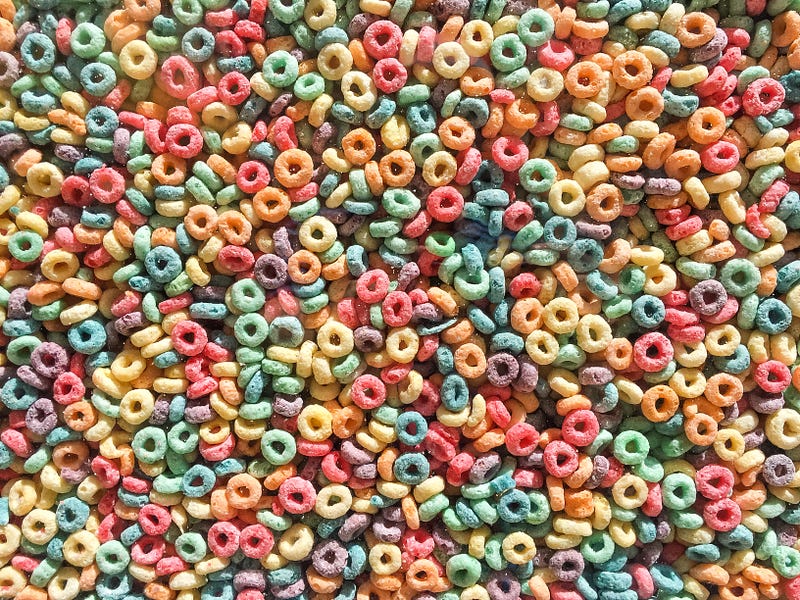
Yes, a lot of breakfast cereals are advertised as being healthy. You’ll most likely see colorful ads with notes like “whole grain” and “low fat.” But a look at their listed ingredients shows refined sugar and grains as the very first ingredients.

Photo by Etienne Girardet on Unsplash

Here’s the thing — small amounts of grains do not in any way increase the health benefits of these cereals. These health claims only serve as an effective way to trick people into thinking that these food products are healthy.

Children are more at risk because breakfast cereals are often marketed to them.

Many cereal manufacturers target children. These food manufacturers use cartoons, action figures, and even bright colors to catch children's attention.

This explains why many children associate cereals with fun and entertainment.

Imagine if they made it illegal to use fictitious, cartoon characters to market processed foods.

It also alters the taste preferences of these kids. Many children would rather go for foods that have well-known cartoon characters on the packaging.

What’s more? Eating processed, sugary food increases the risk of childhood obesity and other diseases.


What you should do is add PROTEIN to your breakfast

Protein is a vital macronutrient. It reduces appetite and increases satiety.

Proteins affect the levels of several hormones, like ghrelin, the hunger hormone, and peptide YY, the fullness hormone (9, 10).

Eggs are an excellent source of extra protein. They are one of the most nutritious foods on earth. They also contain cholesterol which is needed for a healthy lifestyle. Read this to learn about why “bad” LDL is actually needed for your body to function optimally.

The nutrients packed in a single egg are enough to cause a single cell to develop into a full live chicken.

According to Nutrition Data, the nutrients contained in one boiled egg include:

· Folate — 5% of the recommended dietary allowance (RDA)

· Vitamin A — 6% of the RDA

· Selenium — 22% RDA

· Phosphorus — 9% RDA

· Vitamin B12–9% RDA

· Vitamin B5–7% RDA

· Vitamin B2–15% RDA

Photo by Zachariah Smith on Unsplash

Eggs are also rich in vitamin E, K, D, and B6 and zinc and calcium.

This is packed with 6g of protein, 77 calories, and 5g of fats. There are also vital trace nutrients in fats — and they’re great for your health.

Eggs are perfect. They contain a bit of every nutrient that your body requires.

Make sure you buy eggs that clearly stated they are pasture-raised. They’re the best kind. These eggs are loaded with healthy, omega-3 fats and are enriched with vitamins A and E (11).


References

1. Whittaker, P., Tufaro, P. R., & Rader, J. I. (2001). Iron and folate in fortified cereals. Journal of the American College of Nutrition, 20(3), 247–254. https://doi.org/10.1080/07315724.2001.10719039

2. Te Morenga, L., Mallard, S., & Mann, J. (2012). Dietary sugars and body weight: systematic review and meta-analyses of randomized controlled trials and cohort studies. BMJ (Clinical research ed.), 346, e7492. https://doi.org/10.1136/bmj.e7492

3. Basciano, H., Federico, L., & Adeli, K. (2005). Fructose, insulin resistance, and metabolic dyslipidemia. Nutrition & metabolism, 2(1), 5. https://doi.org/10.1186/1743-7075-2-5

4. Johnson, R. K., Appel, L. J., Brands, M., Howard, B. V., Lefevre, M., Lustig, R. H., Sacks, F., Steffen, L. M., Wylie-Rosett, J., & American Heart Association Nutrition Committee of the Council on Nutrition, Physical Activity, and Metabolism and the Council on Epidemiology and Prevention (2009). Dietary sugars intake and cardiovascular health: a scientific statement from the American Heart Association. Circulation, 120(11), 1011–1020. https://doi.org/10.1161/CIRCULATIONAHA.109.192627

5. Roberts S. B. (2000). High-glycemic index foods, hunger, and obesity: is there a connection? Nutrition reviews, 58(6), 163–169. https://doi.org/10.1111/j.1753-4887.2000.tb01855.x

6. Weeratunga, P., Jayasinghe, S., Perera, Y., Jayasena, G., & Jayasinghe, S. (2014). Per capita sugar consumption and prevalence of diabetes mellitus — global and regional associations. BMC public health, 14, 186. https://doi.org/10.1186/1471-2458-14-186

7. Stanhope, K. L., Schwarz, J. M., & Havel, P. J. (2013). Adverse metabolic effects of dietary fructose: results from the recent epidemiological, clinical, and mechanistic studies. Current opinion in lipidology, 24(3), 198–206. https://doi.org/10.1097/MOL.0b013e3283613bca

8. Seely, S., & Horrobin, D. F. (1983). Diet and breast cancer: the possible connection with sugar consumption. Medical hypotheses, 11(3), 319–327. https://doi.org/10.1016/0306-9877(83)90095-6

9. Paddon-Jones, D., Westman, E., Mattes, R. D., Wolfe, R. R., Astrup, A., & Westerterp-Plantenga, M. (2008). Protein, weight management, and satiety. The American journal of clinical nutrition, 87(5), 1558S–1561S. https://doi.org/10.1093/ajcn/87.5.1558S

10. Blom, W. A., Lluch, A., Stafleu, A., Vinoy, S., Holst, J. J., Schaafsma, G., & Hendriks, H. F. (2006). Effect of a high-protein breakfast on the postprandial ghrelin response. The American journal of clinical nutrition, 83(2), 211–220. https://doi.org/10.1093/ajcn/83.2.211

11. Samman S, Kung F, Carter L, et al. (2009). Fatty acid composition of certified organic, conventional, and omega-3 eggs. Food Chemistry, 116(4), 911–914