Showing posts with label nerves. Show all posts

How Does Caffeine Affect Your Brain Function?


brain and coffee

Every day, billions of people drink caffeine. Their reasons for this differ. Either they are relying on it to wake up, or to get through an afternoon slump, or maybe a night shift.

Caffeine is a well-known natural stimulant and is one of the most widely-used ingredients globally (1).

One of the main reasons caffeine is popular is its negative effects on the brain, including anxiety and sleep. But then, several studies have commended its many health benefits.

This article examines the effects of caffeine on your brain, as well as how it affects your sleep and your health in general.

How caffeine can affect your nervous system.

What is Caffeine?

It is a natural stimulant widely found in coffee, cacao, and tea plants. It stimulates the central nervous system and the brain and helps you to remain alert while also preventing fatigue.

According to history, the very first tea was brewed in 2737 BC (1).

It was discovered by a shepherd in Ethiopia who observed that it gave his flock extra energy. And then, in the late 1800s, caffeinated soft drinks came on board, followed by energy drinks.

Currently, over 80% of the global population takes at least one caffeinated product each day. In North America, over 90% of adults take caffeinated products daily (1).

How Does Caffeine Affect Your Brain?

After caffeine is consumed, it is absorbed from the digestive system into the bloodstream. Once in the bloodstream, it moves to the liver and is metabolized (broken down) into elementary compounds that can affect your organs and how they function.

However, the main effect of caffeine occurs in the brain. Caffeine blocks adenosine’s effects. Adenosine is a neurotransmitter that causes your brain to relax and gives you that tired feeling (2).

Normally, the adenosine levels in your body build up over time, causing you to feel tired and give you that sleepy feeling.

But caffeine will keep you mentally alert and awake by binding to adenosine receptors but without activating them. This will block adenosine’s effects, thus reducing tiredness (3).

Caffeine also increases the level of adrenaline in the blood and the activities of norepinephrine and epinephrine in the brain (3).

This stimulates the brain and triggers a state of alertness, focus, and arousal. Caffeine is classified as a psychoactive drug because of its potential to affect your brain. Also, caffeine is “quick-acting.” For example, the amount of caffeine present in a cup of coffee can reach your bloodstream within 20 minutes, while its full effects can be felt within an hour of taking it (1).

Foods that Contain Caffeine

Caffeine is found naturally in nuts, leaves, or the seeds of certain plants. These sources are then harvested and processed, resulting in the production of caffeinated beverages and foods.

Below, we have the amounts of caffeine you may get per 240ml serving of some beverages (1):

  • Coffee: 102–200mg
  • Espresso: 240–720mg
  • Energy drinks: 50–160mg
  • Yerba mate: 65–130mg
  • Chocolate milk: 2–7mg
  • Cocoa beverage: 2–7mg
  • Decaffeinated coffee: 3–12mg
  • Soft drinks: 20–40mg

You can also find caffeine in some foods. For example, an ounce (28g) of milk chocolate contains 1–15mg, while an ounce of dark chocolate will provide 5–35mg (4).

Caffeine is also present in some over-the-counter drugs or prescription drugs like pain, allergy, and cold medications. It is also used in weight loss supplements.

Erectile Dysfunction and Foundational Correction


Erectile Dysfunction and Foundational Correction

Many men are not comfortable talking about erectile dysfunction. But the truth remains that it is a major problem in the present society. What’s more? It has a huge impact on the lives of people who are affected by it.

When a man has erectile dysfunction, he cannot achieve an erection or maintain one firm enough to have satisfactory sexual intercourse.

Erectile dysfunction may occasionally occur, especially during stress. However, when it occurs frequently, it might be a sign of underlying health conditions requiring treatment. Erectile dysfunction can also be a sign of relationship or emotional difficulties, which can only be handled by a professional.

How does a person achieve an erection?

Erectile dysfunction may be caused by problems occurring at any stage of erection. A person achieves an erection when blood flows to his penis. The blood flow to the penis is stimulated by physical stimulation of the male organ or by sexual thoughts.

Sexual stimulation of the male causes the penile muscles to relax. This enhances the flow of blood to the arteries in the penis. The chambers in the penis fill up, and the organ becomes rigid.

Contraction of these muscles causes the accumulated blood to flow out via the veins of the penis, thus bringing the erection to an end.

Causes of erectile dysfunction

Erectile dysfunction may be a singular condition (occurring on its own), or in some cases, caused by an underlying medical condition. Common medical conditions that may contribute to erectile dysfunction include:

· Sleep disorders

· Heart disease

· High blood pressure

· Tobacco use

· Multiple sclerosis

· Parkinson’s disease

· Alcoholism

· Obesity

· Diabetes

It is, however, important to note that nerve inflammation is the primary cause of erectile dysfunction. The central nervous system controls the nerves that supply the genital area. These nerves are, in turn, connected to the spinal cord.

Any Foundational Shift of the spine can impede blood flow and disrupt communication between the brain and the body via the nerves that supply the genitals. The impeding of blood flow and disruption of communication cause erectile dysfunction and other conditions.

It is also important to note that the health of one’s central nervous system can cause psychological issues, and some of these issues can impact erectile dysfunction. Psychological factors trigger the ability to be aroused or excited, and a misalignment of the spine can affect these factors. Stress, depression, mental health concerns, and anxiety are linked to spine health. They can cause erectile dysfunction or worsen pre-existing conditions.

How does upper cervical chiropractic help with erectile dysfunction?

The goal of Foundational Correction is to correct the primary cause of nervous system dysfunction. As such, it is a recommended method of naturally treating erectile dysfunction. Not only does Foundational Correction using upper cervical chiropractic care decrease the physical symptoms, but it also improves the psychological factors that contribute to it.

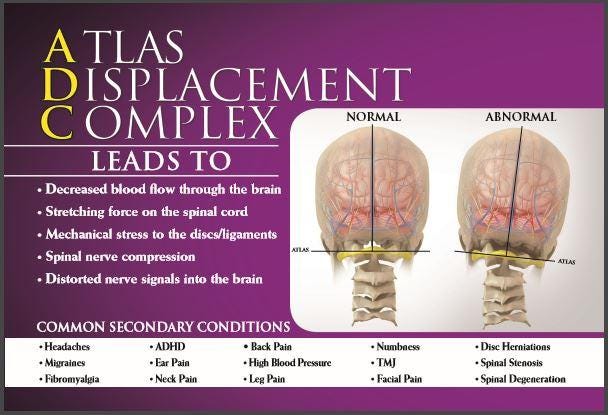
Atlas Displacement Complex (ADC)

Several studies are ongoing with regards to the efficacy of Foundational Correction for erectile dysfunction (ED). A particular study showed that upper cervical chiropractic held great promise for ED improvement. A 53-year-old male patient underwent chiropractic care for chronic lower back pain and erectile dysfunction in one of the studies. After a few weeks, the patient experienced an immense improvement in his back pain and ED.

If you want to learn about the impact that Foundational Correction can have on your health, life, and wellbeing, contact my office at 813–578–5889 or visit our website to schedule your complimentary consultation today. We will be happy to discuss with you and put you back on the path to optimal health and wellness.


References

Hadley, H., Hadley, H. “Reduction in Frequency and Severity of Erectile Dysfunction and Chronic Low Back Pain in a 53-year-old Male Utilizing the Gonstead Technique: A Case Study.” Annals of Vertebral Subluxation Research, 2016 Dec 5; 137–152.